
IMS's Interview
Without a foundation in basic literacy and numeracy, understanding climate change was a distant goal
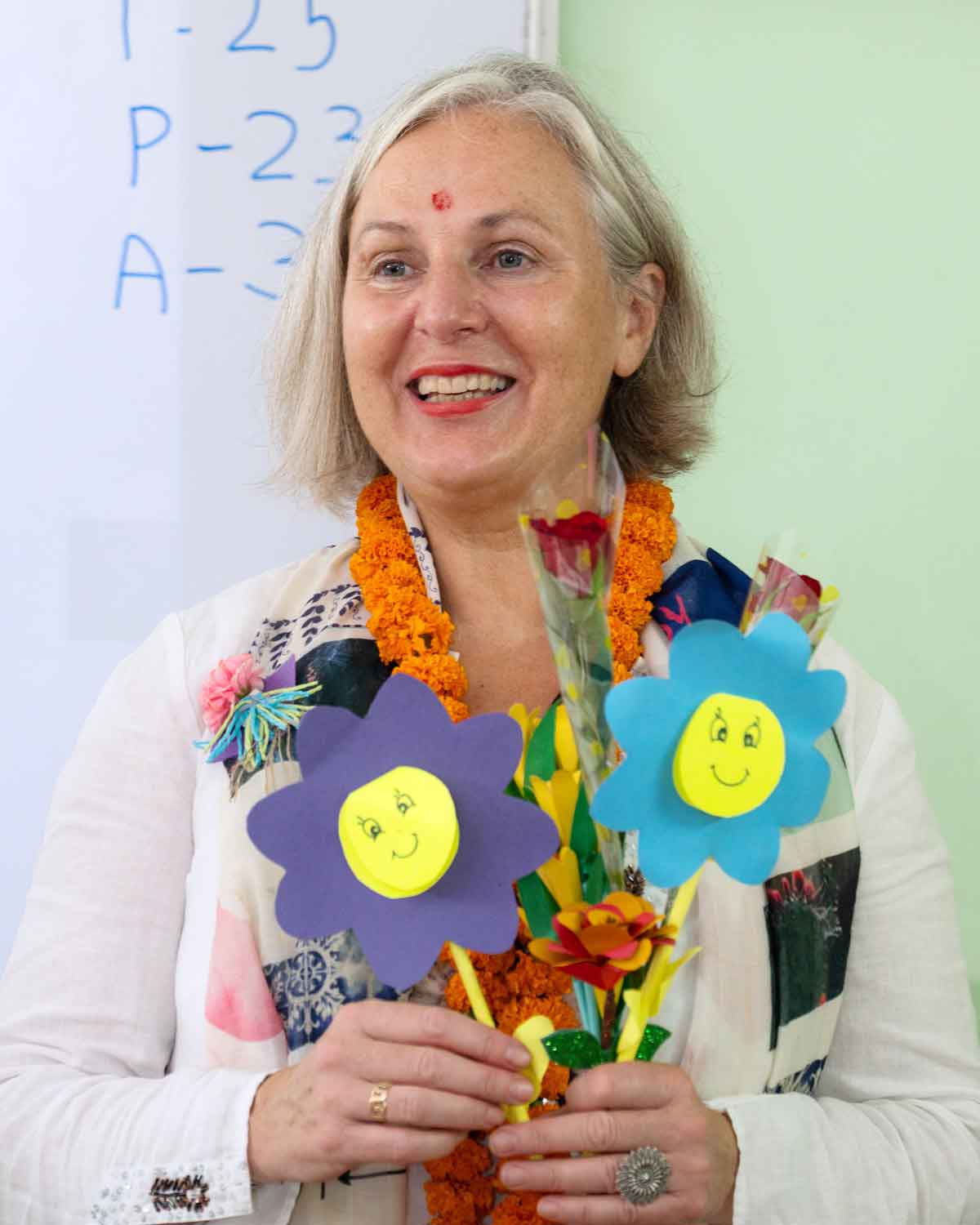
World Climate School, a Norwegian non-profit organization, has partnered with DEVI Sansthan, renowned for its groundbreaking pedagogy ALfA (Accelerating Learning for All). This innovative approach not only facilitates FLN (Foundational Learning & Numeracy) at a 10X learning speed but also nurtures the development of essential 6C skills: collaboration, communication, critical thinking, creativity, character, and citizenship.
This partnership marks a significant stride towards achieving universal literacy and realizing Sustainable Development Goals (SDG) 4 and 13. Milita Halder of 10X Good engaged in a conversation with Inger-Mette Stenseth, Co-Founder of World Climate School, during her visit to the capital of Uttar Pradesh. Here are the highlights of their enlightening discussion:
MH: Can you tell us about the motivation behind your decision to collaborate with DEVI Sansthan and implement the ALfA program in your school in Norway?
IMS: Our journey began in 2021 with the establishment of the Rural Climate School in Norway, coinciding with the onset of the COVID-19 pandemic. Initially, it operated as an online initiative. The driving force behind this initiative was Hans Jorgen Rasmussen, a visionary who had been actively involved in climate efforts since 2015, including the Paris Agreement. With a background in psychology, he was motivated to create a support network for teachers, emphasizing teacher training to expand climate education on a global scale.
The online format turned out to be incredibly successful due to the pandemic, as people had more time to engage online. Our reach extended globally, particularly to regions like Africa, Peru, Latin America, the United States, and India. It was during this period that I had the privilege of meeting Sunita Gandhi at COP 26 in Glasgow, where I was organizing a youth initiative known as C6 World, in collaboration with the World Norwegian Climate Network’s EU programs.
The collaboration between C6 World and the World Climate School, along with DEVI Sansthan’s involvement in online education about climate change, was significant. We also teamed up with the Mumbai-based theater group, Rang Bumi, for engaging and enjoyable online training sessions. Drawing inspiration from India, we adopted the metaphor of the spinning wheel to keep the world in balance and nature thriving.
This partnership forged its roots during COP 26, and I decided to stay connected with Sunita Gandhi afterward. It was a program focused on the economics of creativity, emphasizing the power of ideas that truly resonated with me. The notion that a dream becomes a shared reality when more people embrace it was central to our vision. We aspired to create a global school that facilitated rapid learning.
However, the advent of COVID-19 forced us to reassess our plans. With the world in lockdown, we had to adapt to this disruptive environment. Notably, we recognized that teaching climate change to young children was challenging, especially considering that many of them were not in school during the pandemic. Without a foundation in basic literacy and numeracy, understanding climate change was a distant goal.
This realization further reinforced our determination to collaborate with DEVI Sansthan and bring the ALfA program to our school in Norway. Our dream, born during those pivotal moments at COP 26 in Glasgow in December 2022, was to contribute to a global educational ecosystem that could adapt and thrive, even in the face of unforeseen disruptions like the pandemic.
MH: How do you envision the ALfA program benefiting the students and staff of your school and other communities globally?
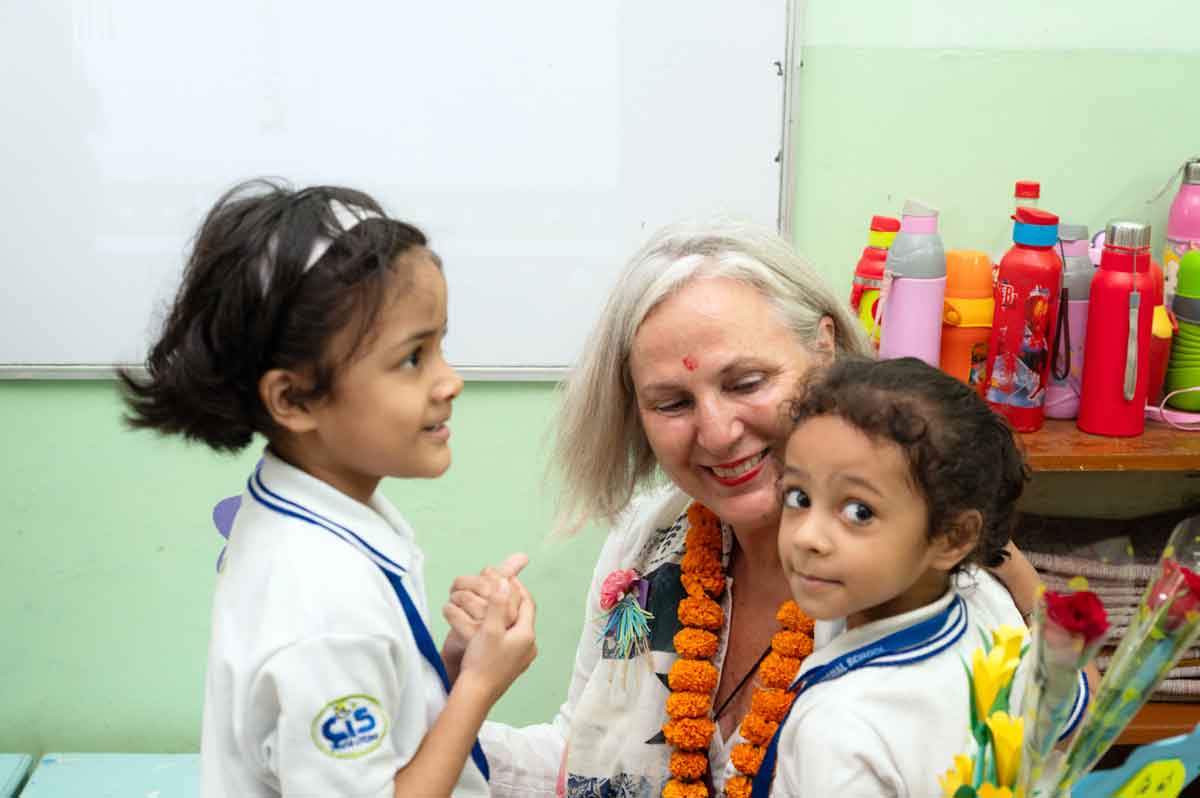
IMS: As I currently find myself immersed in the lockdown situation, visiting schools in collaboration with DEVI Sansthan, and delving deeper into the ALfA program, it becomes increasingly clear to me how this partnership and collaboration can be immensely advantageous. The primary focus lies in harnessing the potential of this program for our youngest learners, thus fostering mutual synergy and practical outreach. My ultimate aim is to accelerate learning for all, with a particular emphasis on fast-tracking this program. It’s essential to remember that our efforts are not just for us; they are dedicated to the children and the generations yet to come.
One vision that resonates strongly with me is the idea of collaborating to scale up this program rapidly. I aspire to shine a spotlight on DEVI Sansthan and the ALfA method as a leading platform for swift literacy and mathematics acquisition that we can introduce to the world right now. My objective is to identify a suitable avenue to present this at COP 28 in Dubai. Additionally, I am committed to revisiting my past experiences in Egypt and the legacy of COP 27 in Sharm El Sheikh, which took place last year.
Regarding the concrete objectives of our partnership and collaboration with DEVI Sansthan, there is a compelling visual and creative goal in mind. I envision a monthly milestone tied to the full moon. My hope is that every child involved in the ALfA method’s literacy and mathematics programs will gaze at the moon and proudly declare their dedication to eradicating illiteracy. I want them to look up at the moon with a sense of achievement and commitment, saying, “A thousand more children are part of the program,” or even, “Ten thousand more have joined us.” This tangible goal, rooted in mathematics and facilitated by the ALfA method, would be an inspiring way to track our progress and celebrate our collective efforts. Imagine capturing an image of children holding up their hands like a moon, counting their achievements—a powerful symbol of our shared commitment to education.
MH: In what ways do you believe this collaboration will contribute to a more sustainable and environmentally conscious future?
IMS: The World Climate School holds a deep concern for the urgent “code red” situation our planet faces with regards to climate change. Our mission is to explore how humanity can adapt and collectively find solutions. Within this context, the Sustainable Development Goals (SDGs), particularly Goal #4 (Quality Education) and Goal #13 (Climate Action), are not isolated objectives but intricately interlinked. To truly attain Goal #4, we must integrate climate consciousness and sustainability into a broader framework.
It’s essential to recognize that the SDGs are not linear, isolated targets but rather interdependent components of a larger ecosystem. I often refer to a cake diagram to illustrate the interconnectedness of these goals. For young learners, understanding this concept can begin with the simple act of planting seeds. The metaphor of planting seeds and nurturing their growth fosters a fundamental connection to nature. Beyond this, experiential learning takes students outdoors, encouraging them to explore parks and appreciate the natural world, including the importance of clean air, green spaces, and water.
Even a glass of water can serve as a meditation for young children, helping them grasp that water is part of nature’s intricate system. Children often possess an intuitive understanding of these concepts. Additionally, introducing the idea of Earth as a spherical, globe-shaped entity akin to a handball, football, or volleyball at an early stage encourages bigger-picture thinking and fosters a global perspective. Compassion is a crucial aspect of this education, teaching children to love nature, each other, and themselves, recognizing that human beings are inherently a part of nature.
Our approach emphasizes instilling joy and playfulness in children, as these emotions are vital for engaging them in meaningful learning experiences. Effective teacher training is pivotal in achieving this goal. Moreover, we believe in integrating sports and the arts into education in a playful manner, as these mediums
can enhance the learning process and promote environmental awareness. In summary, our collaboration with DEVI Sansthan and the ALfA program aims to nurture a generation that not only comprehends sustainability but also passionately strives to build a more environmentally conscious and sustainable future.
MH: Can you provide details on any future plans or projects related to climate education and sustainability that your school and DEVI Sansthan may be working on together?
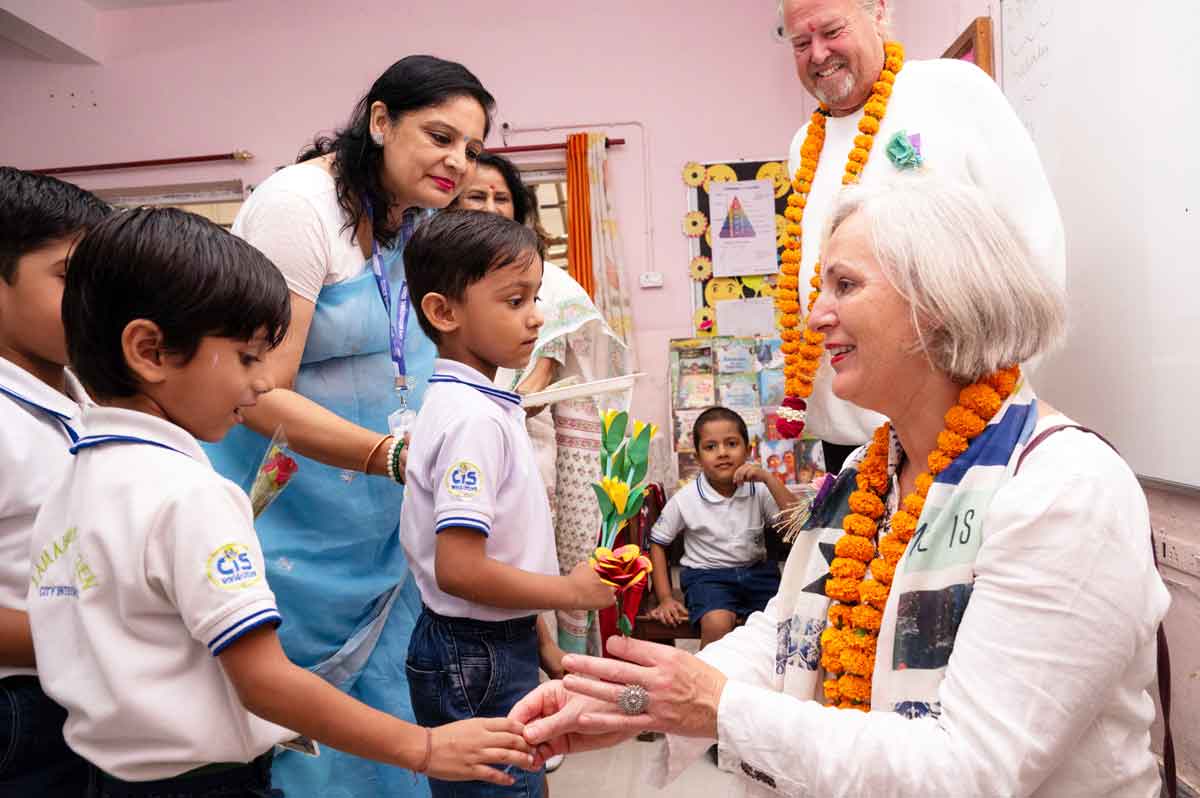
IMS: Our focus on education is centered on a global perspective, emphasizing the critical need for environmental awareness and sustainability. We view environmental pollution as a form of violence, one that affects not only our planet but also human lives. Tragically, we witness countless people succumbing to the consequences of air pollution every year. To address this pressing issue, it is imperative that we educate our children about the profound connection between all living beings and the natural world.
We firmly believe that unless we nurture this understanding in the hearts and minds of our youth, we may not succeed in safeguarding our planet’s future. The concept is simple: what we release into the environment affects us directly.
It’s a reciprocal relationship. What we exhale, the trees inhale; what the trees exhale, we inhale. This interconnectedness underscores our shared destiny with the trees. When we harm the environment, such as by cutting down trees, it’s not just the trees that suffer; we suffer too. Consider that only 200 years ago, we could safely drink water from our rivers. Today, the availability of clean, fresh water is severely limited. Similarly, our food choices impact us directly. Consuming poisoned or contaminated food means introducing those toxins into our bodies, essentially harming ourselves.
Therefore, promoting ecological food choices, ensuring access to clean water, and advocating for clean air are fundamental issues of equal rights. These concerns extend far beyond the borders of specific countries like India or Brazil; they pertain to the well-being of all living beings on Earth.
In conclusion, our shared commitment to climate education and sustainability involves fostering a deep appreciation for the environment, nurturing a sense of interconnectedness, and advocating for the basic rights of clean air, water, and ecological food for everyone, regardless of geographic location.